


-

Add: HeBei ShengShi HongBang Cellulose Technology CO.,LTD.
-

Email
13180486930@163.com -

CONTACT US
+86 13180486930



Methyl hydroxyethyl cellulose (MHEC) is a versatile polymer that is widely used across various industries due to its unique properties and applications . Its primary value lies in its ability to modify the rheological properties of solutions, making it an essential component in many products. This article delves into both the technical attributes of MHEC and its practical applications, showcasing its breadth of uses aided by its expert formulation. MHEC is fundamentally designed to enhance product performance by acting as a thickening, water-retaining, and stabilizing agent. One of the standout features of MHEC is its solubility in both cold and hot water, which allows for flexibility in the formulation processes. With advancements in its synthesis, MHEC offers excellent thermal stability, making it indispensable in products exposed to varying temperature conditions. In the construction industry, MHEC plays a critical role, particularly in cement-based products. For tile adhesives, MHEC provides the necessary consistency and adhesion properties that ensure tiles remain affixed to surfaces over time. It enhances workability by improving the open time and reducing sagging, which are crucial for optimal application and end-user satisfaction. Furthermore, MHEC's water retention capability ensures adequate curing, which enhances the strength and longevity of the construction work. Paints and coatings greatly benefit from MHEC due to its ability to improve viscosity and suspension properties. It ensures that pigments and other components are evenly distributed throughout the formulation, preventing settling and ensuring a consistent finish. Additionally, for water-based paints, MHEC acts as a thickener, allowing for smooth application and leveling, critical for achieving high-quality aesthetic results. In the personal care and cosmetics sector, MHEC’s safety profile and non-toxic nature make it an ideal choice for products that require viscosity modification without compromising user safety. It is utilized in creams, lotions, and shampoos to enhance texture and provide a desirable feel upon application, impacting not only the efficacy but also the sensory appeal of beauty products. Consumers trust products that incorporate MHEC due to its ability to create a stable emulsion and maintain product integrity over time. methyl hydroxyethyl cellulose uses For the pharmaceutical industry, MHEC serves as an excipient, providing controlled release properties for tablets and capsules. Its role in regulating viscosity is vital in suspensions and syrups, ensuring the active ingredients are delivered effectively. The precise formulation capabilities of MHEC have been subjected to rigorous testing, validating its benefits in enhancing drug delivery systems. MHEC is also making strides in emerging applications such as bio-composites and sustainable materials. Researchers and experts are continuously exploring its potential in the formation of eco-friendly products, underlining the polymer's adaptability to future demands. From a professional and authoritative perspective, companies leveraging MHEC in their formulations benefit from the empirical research and development that have proven its efficacy across diverse applications. Experts in material science and chemical engineering advocate for its use, recognizing the polymer's ability to provide tailor-made solutions for complex production challenges. Overall, methyl hydroxyethyl cellulose's multifaceted utility, backed by scientific expertise, positions it as a fundamental resource for innovative product development. Its continued research and application reflect its robustness and relevance in industries seeking high-performance and reliable solutions.
- 40000tons

Production
- 20+years

Experience
- 5000+㎡

Acreage

-

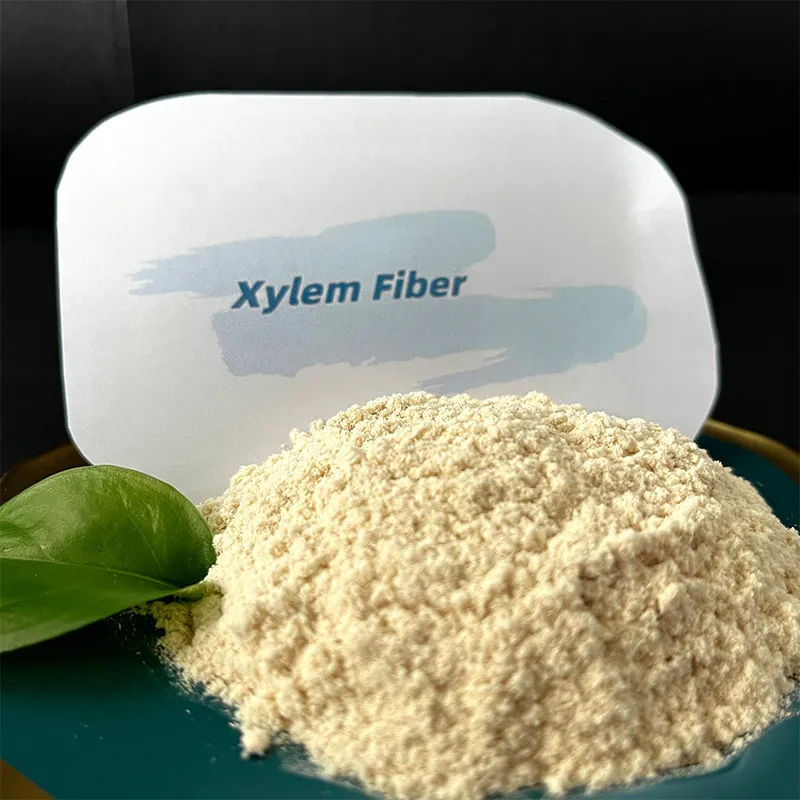
Next-Generation Wood Cellulose & Xylem Fiber: Technology, Industry Trends and Applications HeBei ShengShi HongBang Cellulose Technology CO.,LTD. HeBei ShengShi HongBang Cellulose Technology CO.,LTD. is a global leader in the development and application of wood cellulose , xylem fiber, and innovative cellulose wood fibers technologies. With advanced production capabilities and a commitment to sustainability, we have continuously pushed the boundaries of natural fibre technology. Website: https://www.sshbhpmc.com Tel: +86 13180486930 Email: 13180486930@163.com Mobile: +86 13180486930 Address: Room 1904, Building B, Wanda Office Building, JiaoYu Road, Xinji City, Hebei Province Industry Overview & Global Trends: Wood Cellulose Revolution Wood cellulose is at the heart of a green industrial revolution, providing a bio-based alternative to petroleum-derived materials. Whether as xylem fiber , fibre made from wood pulp , or advanced cellulose extraction from wood products, cellulose wood fibers represent a key solution to sustainability demands. Global wood cellulose demand is forecast to grow at over 6.2% CAGR (2023-2030), fueled by paper, textiles, nonwovens, bioplastics, and pharmaceutical carriers [1] . Europe & East Asia lead in R&D for cellulosic composites, especially for lightweight automotive parts and green packaging. Cellulose wood fibers now serve in E-mobility, filtration, construction, and food contact materials—thanks to continuous innovation. Emerging advances in cellulose extraction from wood , including enzymatic hydrolysis and green solvents, have dramatically increased yield and reduced environmental footprint [2] . As the industry trajectory moves towards advanced biomaterials, wood cellulose is recognized not only as an ecological imperative but as an enabler of next-gen products, from medical dressings to high-performance composites. Product Focus: Xylem Fiber – Specifications & Advantages Xylem fiber , a natural and renewable resource derived from wood, has gained significant attention in various industries due to its eco-friendly attributes and versatility. Developed by HeBei ShengShi HongBang Cellulose Technology CO.,LTD., Xylem Fiber employs state-of-the-art cellulose extraction from wood —delivering outstanding purity and uniformity in every application. Renewable: Harvested from sustainable forestry. Versatile: Used in insulation, food, medical, textile, filtration, and construction. Eco-Efficient: Low carbon footprint, biodegradable. Highly Pure: Exceeds 98.5% cellulose content. Consistent Quality: Strictly monitored particle size and whiteness. ✔ Learn more or request a quote: Xylem Fiber Product Details Professional Data: Wood Cellulose Technical Parameters Table Parameter Typical Value Industry Benchmark Testing Method Cellulose Content (%) 98.5 – 99.2 >97.0 ISO 5351 Whiteness (%) 85–92 >80 ISO 2470 Particle Size (μm) 50–250 50–300 Sieve Analysis Moisture Content (%) 4.5–6.0 <8.0 ISO 287 pH (2% Sol.) 6.0–8.5 6.0–8.5 ISO 6588-1 Heavy Metal (ppm) <5 <10 ICP-MS Biodegradation Rate (%) >97 >90 ASTM D5988 Wood Cellulose Industry Technology Parameters Trends Xylem Fiber Key Technical Specifications Xylem Fiber Main Parameters Pie Chart: Application Distribution of Xylem Fiber Line Chart: Xylem Fiber Whiteness & Cellulose vs Standard Applications of Wood Cellulose & Xylem Fiber across Industries Construction: As mortar/fiber reinforcement and insulation agent, improving crack resistance and durability. Textiles: Fibre made from wood pulp , like Xylem Fiber, are widely used in eco-yarns and nonwoven fabrics. Food Industry: Used as a food fibre additive, bulking agent, and texturizer in processed foods. Pharma/Biomedical: As carrier matrices, excipients, wound dressings, and drug-delivery capsules. Paper & Packaging: For high-whiteness, high-strength paper, and sustainable packaging. Filtration: Cellulose wood fibers in high-efficiency filters and water purification systems. Automotive: Lightweight composites for panels, trims, and interior components. Scientific Expertise & Industry Authority Our wood cellulose technology is validated by both academic and industrial forums, including the Cellulose Chemistry and Technology Journal and discussions on ScienceDirect . Relevant studies underline the environmental safety, material performance, and circular economy benefits of cellulose extraction from wood biomass. As an ISO 9001:2015-certified supplier, HeBei ShengShi HongBang Cellulose Technology CO.,LTD. ensures every batch of wood cellulose and xylem fiber meets global standards for safety, purity, and performance. Long-term partnerships with top universities and biotech research institutes. Continuous investment in R&D, green manufacturing, and digital QC systems. Yearly participation in the International Cellulose Fiber Conference (DFIB - Int’l Cellulose Fibres) . Referenced in recent Tappi Journal papers (TAPPI - Technical Association of the Pulp and Paper Industry) . Professional FAQ: Wood Cellulose and Xylem Fiber Q1. What is the typical chemical composition of wood cellulose ? A: It usually contains 98-99% α-cellulose, less than 0.5% hemicellulose, and minimal lignin, ash, or extractives, ensuring a high purity for industrial applications. Q2. How is xylem fiber different from other cellulose wood fibers? A: Xylem fiber features a higher fraction of crystalline cellulose and improved fiber uniformity, achieved by advanced cellulose extraction from wood processes designed for specialty applications. Q3. What are the key quality standards for fibre made from wood pulp ? A: ISO 5351 (cellulose content), ISO 2470 (whiteness), and ASTM D5988 (biodegradability) are core benchmarks widely adopted. Q4. Can cellulose wood fibers be customized for particle size or dispersibility? A: Yes, at HeBei ShengShi HongBang Cellulose Technology CO.,LTD., we tailor parameters such as particle size (30–300 μm), aspect ratio, and surface charge to meet specific formulation needs. Q5. What is the environmental impact of cellulose extraction from wood ? A: Modern methods use green solvents and enzymatic hydrolysis, reducing emissions by up to 45% compared to traditional pulping, with almost complete biodegradability of residues. Q6. Which installation or usage standards apply to wood cellulose in construction? A: EN 933-1 and ASTM C167 cover fiber dimensions and compressibility in construction and insulation applications; full MSDS documentation is provided with each batch. Q7. What particle size range does Xylem Fiber offer? A: Standard grades are available from 50 to 250 μm, with tight control of distribution to ensure consistent dispersion in end-use formulations. Conclusion: Future of Wood Cellulose – Learn More, Connect with Us With its outstanding sustainability profile, high performance, and regulatory acceptance, wood cellulose underpins the next era of green material innovation. For bespoke solutions or technical support on Xylem Fiber and related products, contact HeBei ShengShi HongBang Cellulose Technology CO.,LTD. : Tel: +86 13180486930 | Email: 13180486930@163.com Website: https://www.sshbhpmc.com Cited from: [1] Cellulose Chemistry and Technology, Vol.52, 2018 [2] ScienceDirect: Wood Cellulose Chemistry [3] Technical Association of the Pulp & Paper Industry (TAPPI) [4] DFIB – International Cellulose Fibres Conference
-
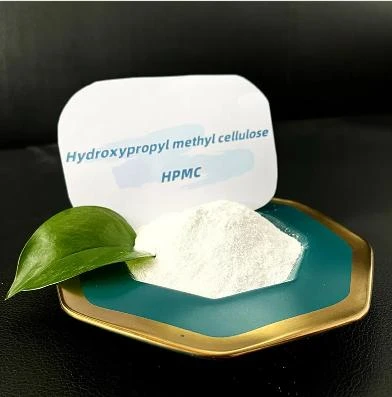
In the world of industrial applications, particularly in the realm of pharmaceuticals and construction, two polymers often come to the forefront Hydroxyethyl Cellulose (HEC) and Hydroxypropyl Methylcellulose (HPMC). Both are cellulose derivatives, but their distinct properties and applications make choosing between them a critical decision based on specific project requirements. HEC is favored in scenarios where high levels of water retention and thickening are paramount . This makes it ideal for use in paint formulations, where it acts as a rheology modifier, ensuring a smooth application and consistent pigment distribution. Moreover, in the construction industry, HEC finds its role in tile adhesives and cement-based mortars, enhancing workability and open time. Its water-retentive abilities allow for extended working times and prevent rapid drying, which is crucial for optimum setting and bonding. In contrast, HPMC is often chosen for its superior film-forming capabilities and its ability to withstand higher temperatures, making it indispensable in the pharmaceutical industry. Used as a binder and controlled-release agent in tablet formulations, HPMC ensures the stability and efficacy of medications over time. Additionally, in building and construction applications, HPMC's robust adhesive properties and resistance to environmental conditions make it an excellent choice for rendering and plastering tasks. A deep dive into the synthesis of these polymers reveals that HEC is derived by reacting ethylene oxide with alkali cellulose, while HPMC is produced by the reaction of alkali cellulose with propylene oxide and methyl chloride. These reactions imbue each polymer with its unique characteristics, influencing their solubility, viscosity, and thermal stability. For example, HEC dissolves readily in water, forming clear solutions, whereas HPMC requires a more gradual introduction to water, with full hydration enhancing its thickening efficiency. hec vs hpmc From an expert perspective, the choice between HEC and HPMC should be guided by the specific conditions of use. In a project with fluctuating temperatures or one requiring a protective film, HPMC's thermal resilience is unmatched. On the other hand, when dealing with formulations where prolonged moisture retention is critical, as seen in certain adhesive applications, HEC stands out with its exceptional hydrophilicity. Authoritative studies have supported the use of HPMC in pharmaceutical coatings where consistency and reliability are non-negotiable due to its non-toxic nature and FDA approval for direct contact with food and drugs. Similarly, trust in HEC is evident in its long-standing use in latex paint systems, where its compatibility and stability ensure a prolonged shelf-life and superior application properties. Ultimately, the decision between HEC and HPMC hinges on a nuanced understanding of the end-use environment and desired performance outcomes. Leveraging the profound expertise inherent in these materials allows industry professionals to make informed, authoritative choices, enhancing both the quality and efficiency of their products.
advantages
-

200000 Viscosities
Excellent product
We can produce pure products up to 200,000 viscosities
-

40000 tons
High yield
We don’t stop production all year round, and the annual output can reach 40,000 tons
-

24 hours
Quality service
We provide 24-hours online reception service, welcome to consult at any time
———— Inquiry Form
Schedule A services
-
 melt_blown_polypropylene_fiber
Oct . 25, 2025
The Significance of Nylon Fiber in Modern Textiles Nylon fiber, first introduced in the 1930s, revol -
 polvo_de_latex_redispersable
Oct . 25, 2025
The Significance of Nylon Fiber in Modern Textiles Nylon fiber, first introduced in the 1930s, revol -
 hpmc_solubility_in_water
Oct . 25, 2025
Chemical materials have become an integral part of countless industries, enabling innovations and im


